Home energy saving programmes
A coordinated plan for upgrading the energy performance of your home.
Explore programmeGenerate energy for your building. Design around actual consumption.
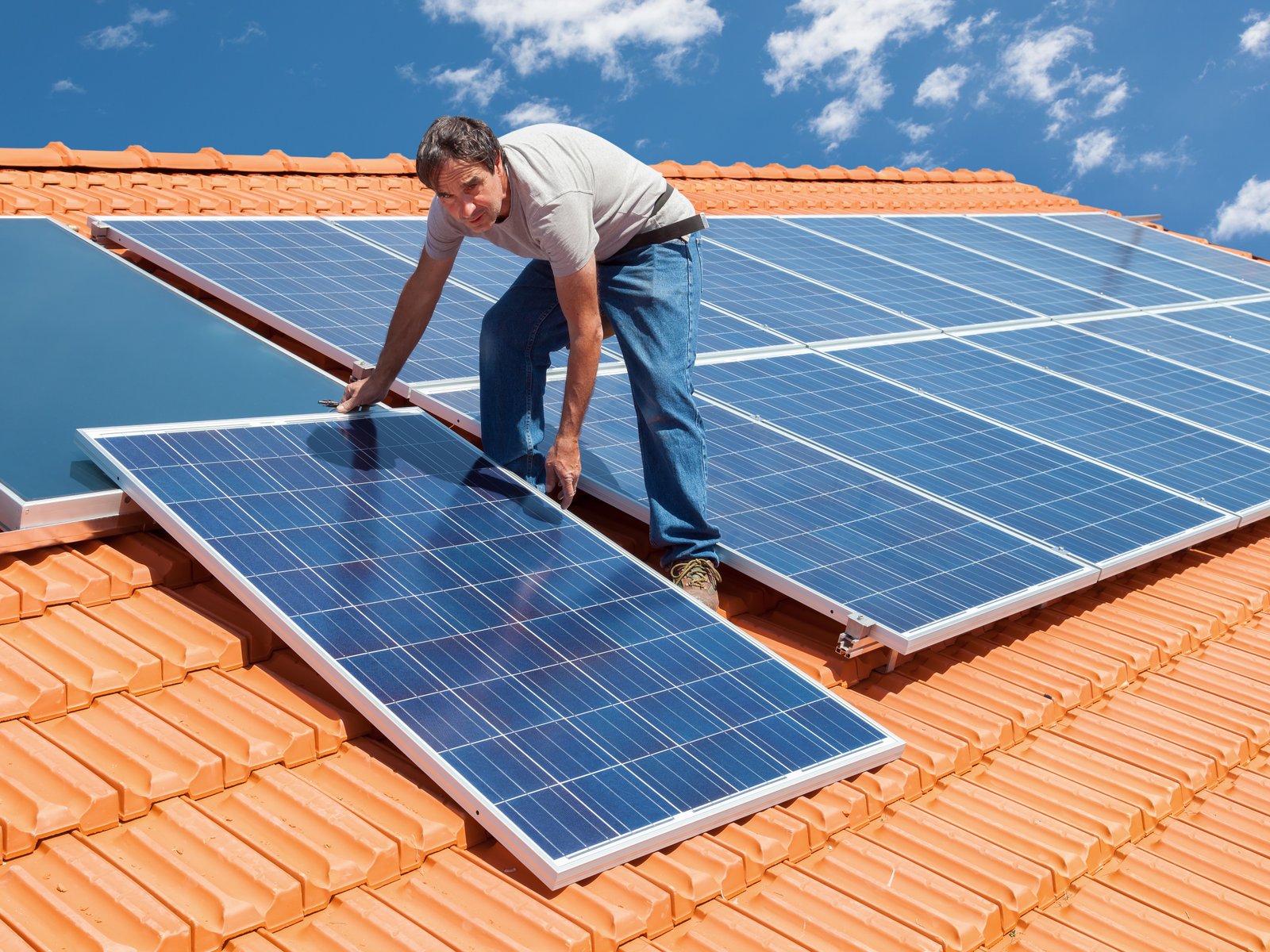
Energy generated and used at the same time reduces grid imports. Under net billing, exported surplus is valued separately; an exported kWh should not be assumed to have the same value as an imported one. The Ministry announced an updated framework on 14 September 2026.
A battery shifts available generation to later hours, with losses and limits. Zero-feed-in design considers export control and curtailment of excess generation. The configuration follows a review of connection conditions and does not bypass required procedures.
We review usable roof area, shading, orientation, structural suitability, roof-use rights, electricity supply and consumption profile. Battery capacity depends on demand, not just available roof space.
Self-generation is an energy design option, not an automatic subsidy. We separately check whether a suitable open call covers PV, storage or their combination. We compare scenarios with and without grants and borrowing.
Use the simulator to compare measures and enter a grant, own funds and borrowing. Inputs are scenario assumptions, not eligibility checks or grant/loan approvals.
Open simulatorNot necessarily. Fixed costs and scheme-dependent charges can remain. Financial outcomes need a separate calculation.
No. It offers an indicative annual scenario. Final design requires site and consumption data, connection conditions and actual quotations.
This is a summary. The official guide, amendments and decisions of the responsible authority determine binding terms. GEBS does not guarantee approval, grant amounts or payback times.
A coordinated plan for upgrading the energy performance of your home.
Explore programmeGenerate energy for your building. Design around actual consumption.
Explore programmeFind a funding route that fits your investment plan.
Explore programme